
This article discusses workplace sexual harassment, including sexual assault.
In short: four cases run by Working Women’s Centres over the past year have begun to show what Australia’s sexual harassment protections mean in practice. They have produced the first published penalty under the Fair Work Act’s new provision, a $255,750 award in Queensland, the first federal judgment on the new laws to be fought out from start to finish, and a live test of whether a court can order an employer to change how it operates.
In 2023, workplace sexual harassment became explicitly prohibited under the Fair Work Act. The reforms created a new federal pathway for workers seeking redress, expanded employer responsibility for harassment committed by workers, and gave courts broad powers to award compensation, impose penalties, and make other orders they consider appropriate.
What legislation cannot do is show how any of this works once a real dispute begins. Would courts actually impose penalties? What is this harm worth? Who is responsible when nobody else saw it happen? And can a case change the workplace, or only compensate the person harmed in it?
Four cases, each run by a Working Women’s Centre, have begun to answer those questions.
Would the new law be enforced?
Mejia v Capital City Café-Bar
Working Women’s Centre at Women’s Legal Centre ACT
Valeria Mejia, a 23-year-old migrant from Colombia, was on a bridging visa and twelve weeks into a casual waitressing job at a Canberra café when she tried to raise a problem with her pay. She had received no payslips and could not reconcile what she was paid against the hours she had worked. The manager brushed her off and told her to go shopping, saying he would pay for whatever she wanted.
Later that day he sent the chef out to deal with the bins while she was washing dishes. He came up behind her, wrapped both arms around her and pinned her against the sink. He held his wallet open in front of her face and told her to take the money. She said no, but he pressed harder. Frightened, she took the smallest note, a $50, and pushed him away. He leant in and kissed her on the lips.
The chef came back a few minutes later. The manager told him he could go home. Ms Mejia said to him in Spanish: “Don’t leave me.” She never returned to the café.
Over the next two days the manager messaged her repeatedly, saying he was sorry, that it was the first and last time, asking if she would come back to work, and to keep his behaviour a secret from his wife.
He admitted the conduct on the morning of the hearing. The Court ordered $50,000 in compensation, a $9,390 penalty for the harassment, and $30,610 in penalties for underpaying her, giving false payslips, keeping no records, and a string of other breaches. His company had gone into liquidation the day before, so he was responsible for paying the full $90,000 himself.
The $9,390 penalty is the first published penalty imposed under the new Fair Work Act sexual harassment provision.
The judgment is notable for two further reasons. The Court treated Ms Mejia’s youth, visa status, limited financial resources and lack of social support as factors that made the conduct more serious, finding that her employer had leveraged his position of authority against these vulnerabilities. The Court also found his apologies were not genuine remorse. He wanted the incident kept quiet, wanted to avoid the consequences, did not want his wife to find out, and did not want to be short-staffed.
What is the harm worth?
Pariyar v Basnet
Working Women Queensland
Sunita Pariyar worked at a Brisbane restaurant owned and managed by Rojal Basnet. Over three months in 2022 he pressed her to leave her husband, groped her at work, assaulted her in his car outside her home and threatened to ruin her life if she told anyone. When she blocked his number, he came to her house in the middle of the night and assaulted her husband in the street. Days later, promising apologies and outstanding wages, he lured her to the Gold Coast on a fabricated errand. He took her phone, pressured her to drink, and raped her in a hotel room.
Mr Basnet claimed that the two of them had been in a secret consensual relationship. The Commission found this had no basis in fact.
Almost two years after she complained to the Human Rights Commission, Mr Basnet let himself into her home while the family slept upstairs, demanded to know why she had gone to the police, and pushed her twice. He has pleaded guilty to criminal charges arising from that incident and from the assault on her husband.
Commissioner Pratt found Mrs Pariyar now lives with severe PTSD, that her relationships with her husband and children have suffered significant and potentially permanent damage, and that she has had to leave the hospitality career she loved. He ordered $255,750: $170,000 for the harassment and discrimination, $50,000 for the victimisation, $35,000 in aggravated damages and $750 for medical costs.
It is one of the largest workplace sexual harassment compensation awards considered by the Commission.
Compensation awards in workplace sexual harassment matters have increased significantly over the past decade, particularly since the Federal Court’s landmark decision in Richardson v Oracle. The $170,000 awarded here was higher than any comparable award examined by the Commission.
The decision reflects a growing recognition that workplace sexual harassment can have profound, life-changing consequences, and that damages should recognise the reality of that harm.
Who is responsible, and what counts as proof?
Clarke v Beiler Constructions
Working Women’s Centre SA
Elisa Clarke was an adult apprentice carpenter and the only woman on the crew building a lodge on Kangaroo Island. In May 2023 a coworker asked her a crude and explicit question about her relationship with another man on the team. On another occasion he asked her for oral sex. Nobody else saw or heard either incident.
This circumstance helps explain why many workers are reluctant to pursue legal action. Harassment is rarely conducted in front of an audience. Many workers also do not make a formal complaint immediately because they fear the consequences of speaking up.
In June 2026 the Federal Court found both incidents proven. It weighed Ms Clarke’s account against the surrounding circumstances and gave weight to what she had told her son and parents shortly afterwards.
For workers concerned that a lack of witnesses means there is no case to bring, the significance of the decision is clear. The Court accepted Ms Clarke’s evidence and found the harassment had occurred despite there being no witnesses.
Clarke is the first fully contested Federal Court decision under the workplace sexual harassment provisions added to the Fair Work Act in 2023, making it one of the first major judgments explaining how the new laws operate in practice.
Beiler Constructions argued that the remarks were not unwelcome because Ms Clarke sometimes participated in workplace banter, including sexual jokes. The Court rejected that argument. Taking part in general workplace banter does not mean a worker has welcomed a sexual proposition.
The Court also found the company liable for its employee’s conduct, as well as underpayments and other workplace law breaches. Compensation and penalties will be determined at a later hearing.
Can a case change the workplace?
Cleary v Qube Ports
Working Women’s Centre at Women’s Legal Service Tasmania
Dana Cleary had worked for logistics company Qube Ports since 2017, most recently as a contractor. She alleges she was sexually harassed by a Qube employee after a work dinner in May 2023. After reporting the conduct, she stopped taking work during the investigation. Qube later told her there were no contractor or part-time roles available.
Most workplace sexual harassment cases focus on compensation for the person harmed. Ms Cleary is seeking something broader. Alongside compensation, she has asked the Federal Court to consider orders requiring Qube to strengthen its sexual harassment policies, training, reporting, and workplace practices.
Qube argued the Fair Work Act does not allow courts to make orders of that kind and asked for that part of the claim to be removed before the case reached trial.
In May 2026, Justice Horan refused. He held that, on the current state of the law, it could not be said that remedies of this nature were unavailable and that any decision about what orders are appropriate should be made after hearing the full case.
The decision leaves open a significant possibility: that workplace sexual harassment cases may be able to do more than compensate an individual worker. They may also be used to address the workplace systems, policies and practices that contributed to the harm.
The significance of the issues raised was reflected by the decision being circulated to judges on the Federal Court’s Employment and Industrial Relations list.
At the forefront
The first cases brought under a major legal reform often help determine how that reform works in practice. In these four matters, Working Women’s Centres and specialist feminist legal services have helped answer questions that Australian courts had not previously considered.
The workers who brought these cases were seeking justice for what happened to them. In doing so, they have helped strengthen the protections available to others. The decisions emerging from these cases will shape what workers, employers and courts can expect when workplace sexual harassment occurs.
If you have experienced sexual harassment at work, contact your union if you are a member. If you haven’t had a chance to join your union, your local Working Women’s Centre can provide free and confidential advice.
Author: Yen Pham, Advocacy and Policy Officer, Working Women’s Centre Australia
The education system has a duty of care for children and young people, and it also has a duty of care for educators. This report argues that these responsibilities are inseparable. Preventing gendered violence is essential to fulfilling schools’ obligations as both workplaces and places of learning, and to ensuring every member of the school community is safe, respected and able to flourish.
This new research was conducted by Monash University, and the report was commissioned by the Australian Education Union (AEU). This is Australia’s largest study of misogyny and gendered violence in Australian schools, where 2,668 AEU members were surveyed. The findings highlight the depth of the issue, including the growing influence of the manosphere on students, and the significant risk of teachers leaving the professions due to misogyny and gendered violence.
OurWatch just launched their new Workplace Equality and Respect Model, which has toolkits and other resources for employers to address gender equality and prevent violence against women.
There are toolkits for:
• Sole traders, micro-business owners or people in charge of a workplace with fewer than 20 people;
• Small organisations with 21-99 employees; and
• Medium to large businesses with 100 or more employees.
Thank you to the OurWatch team for their work in designing these practical tools and guidance to support workplaces in embedding gender equality, safety and respect at every level, and create safer conditions that help prevent gender-based violence, including sexual harassment.
Working Women’s Centre Australia was proud to support advocacy led by the Human Rights Law Centre, alongside veteran advocate Julia Delaforce and others, calling for an amnesty from NDA enforcement in relation to the inquiry into military sexual violence.
In June, Defence Minister Matt Keogh announced that the Commonwealth would not enforce non-disclosure agreements against current and former Australian Defence Force (ADF) members who wish to provide evidence or make submissions to the Inquiry into Military Sexual Violence.
The independent inquiry, expected to begin in late 2026, was established following a recommendation of the Royal Commission into Defence and Veteran Suicide. It will examine how the ADF prevents, manages and responds to military sexual violence, assess progress on previous Royal Commission recommendations, and make recommendations for further reform. The Royal Commission identified sexual violence as a systemic issue within the ADF, with profound impacts on personnel and links to mental health distress and suicide.
The NDA waiver means victim-survivors who have signed agreements with the Commonwealth can participate in the inquiry without fear of legal action for speaking about their experiences.
That matters because an inquiry can only be as effective as the evidence it receives. The people this inquiry needs to hear from are those who have lived through these experiences: current and former ADF members who volunteered to serve their country and whose experiences are critical to understanding the full impact of military sexual violence. Removing barriers to participation helps ensure those voices can be heard.
For WWCA, this outcome also reflects a broader shift in the conversation about NDAs.
Through our Our Silence Is Not For Sale campaign, we have advocated against the misuse of NDAs in workplace sexual harassment and sexual violence matters. While confidentiality can play an important role when it is genuinely chosen by a victim-survivor, it should not prevent people from contributing to inquiries, law reform processes or conversations about systemic harm.
The Government’s commitment currently applies only to participation in the inquiry. While the Commonwealth has agreed not to enforce its own NDAs against people who come forward, it cannot release victim-survivors from confidentiality agreements they may have signed with perpetrators or other third parties. There is still more work to do to ensure survivors can speak about their experiences without fear of legal repercussions.
Even so, this is a significant milestone.
As a traditionally male-dominated and highly hierarchical institution, the ADF’s decision to waive NDAs for the purposes of the inquiry sends an important message: meaningful reform requires victim-survivors to be able to speak about their experiences.
That lesson extends well beyond the military. Institutions cannot meaningfully address sexual violence if the people affected are prevented from speaking about it.
Need information about NDAs?
If you have signed, or are being asked to sign, a non-disclosure agreement in relation to workplace sexual harassment, discrimination or sexual violence, contact your local Working Women’s Centre for information and support.
Lawyers and advocates can also access WWCA’s NDA fact sheet.
Author: Yen Pham, Advocacy and Policy Officer, Working Women’s Centre Australia
The Working Women’s Centre SA has secured a landmark win in a sexual harassment case: Clarke v Beiler Constructions Pty Ltd as trustee for Fox Trading Trust [2026] FCA 734. Our client Elisa came to us more than three years ago as a single mum, and an apprentice carpenter who experienced sexual harassment while working in the construction industry.
The judgment is the first fully contested Federal Court case to consider the workplace sexual harassment protections introduced into the Fair Work Act 2009 in 2023. It is also a major milestone for the Centre, marking our first Federal Court case.
Elisa showed extraordinary courage and determination, pursuing justice through a challenging legal process that lasted more than three years. By speaking up, she has held her employer accountable and paved the way for others to challenge cultures of sexual harassment.
This landmark decision provides guidance on the new workplace sexual harassment protections and sends a strong message that workplace sexual harassment will be taken seriously.
“The Court accepted the complainant’s evidence in circumstances where there were no other witnesses to the conduct. The Clarke decision sends a powerful message to perpetrators that women will be believed, and perpetrators can be held to account even where the misconduct occurs in isolated or private setting.” said Nikki Candy, CEO of the Working Women’s Centre SA.
Read the full story and learn the significance of this decision: https://wwcsa.org.au/wwc-wins-historic-federal-court-workplace-sexual-harassment-case/
Adelaide, Australia — April, 2026
This International Workers’ Day, we’re asking a simple question: how can workplaces be safe if workers are being silenced?
The Working Women’s Centre Australia is marking May Day by calling for urgent law reform to end the misuse of non-disclosure agreements (NDAs) in workplace sexual harassment and discrimination cases.
Our campaign, “Our Silence Is Not For Sale,” is led by Working Women’s Centre clients and advocates and grounded in what we see every day, women trying to speak up about unsafe workplaces and being asked to stay silent instead.
As CEO of the Working Women’s Centre Australia, it is clear this issue is widespread. Working Women’s Centres across every state and territory are advising and supporting women to understand their rights, that NDAs should not be the default and supporting women to speak up about what has happened to them.
Women who come forward are making incredibly difficult and courageous decisions. Many want to speak out to warn others, stop the behaviour, and make workplaces safer. For many, it is also part of their healing. In our campaign video, victim-survivors are speaking about their experiences and why being able to speak matters.
But too often, they are coerced into silence, to resolve their case, to bring it to an end. To give you an idea of how this coercion occurs, we have included a case study setting out the average experience of a sexual harassment and discrimination case. NDAs are being used to protect reputations, not people.
When we silence women, we stop progress. We can’t fix what we’re not allowed to talk about.
Sexual harassment affects 1 in 3 workers in Australia, yet only 18% report it. [1]And when they do, many are met with NDAs—legal agreements that stop them from talking about what happened.
In fact, almost 7 in 10 lawyers representing workers, and nearly 8 in 10 representing employers, say they have never settled a sexual harassment case without a strict NDA[2].
That’s not a coincidence. That’s a system.
This isn’t just an Australian issue. The #MeToo movement showed how widespread this problem is. Campaigns like Can’t Buy My Silence, in the UK and Canada have also highlighted the harm caused by NDAs and successfully pushed for change around the world.
On May Day, a day built on solidarity, we stand with workers everywhere calling for dignity, safety, and the right to speak up. There’s also a broader cost. Sexual harassment is estimated to cost the Australian economy around $3.5 billion each year. [3]But the human cost is far greater.
Right now, the system discourages people from coming forward. Legal processes are long and exhausting, and very few cases ever reach a public outcome. The misuse of NDAs only makes this worse.
We’re calling for change. Working Women’s Centres across the country are backing the same 14 key legislative recommendations to address these issues.
NDAs should only be used if a victim-survivor wants one—not as a default. They must be regulated so they can’t be used to hide serious workplace harm or silence people indefinitely.
Women deserve the right to tell their stories, to warn others, and to demand better from their workplaces.
We’re inviting you and your colleagues to be part of this campaign.
Help bring visibility to this issue, amplify women’s voices, and drive the national conversation forward.
Media kit available
We’ve developed a media kit to support coverage of the campaign, including:
The campaign video, visual assets, resources, and the 14 key recommendations can be accessed here.
Thank you for your time and we hope to rely on your support in the future.
For further information or to discuss the campaign and its impact, I welcome media enquiries and would be pleased to connect directly.
Abbey Kendall
CEO
Working Women’s Centre Australia
📞 0412 454 900
✉️ abbey@wwc.org.au
[1] Australian Human Rights Commission, Respect@Work: Sexual Harassment National Enquiry Report.
[2] University of Technology Sydney (2022). Let’s Talk About Confidentiality: The Use of Non-Disclosure Agreements in Workplace Sexual Harassment Settlements.
[3] University of Technology Sydney (2022). Let’s Talk About Confidentiality: The Use of Non-Disclosure Agreements in Workplace Sexual Harassment Settlements.
The call to action in support of our national campaign to end the misuse of NDAs in resolving workplace sexual harassment and discrimination complaints Our Silence is Not for Sale is growing in Australia.
Last week Working Women’s Centre Australia, alongside Working Women’s Centre NSW had the opportunity to speak to the Federal Government at Parliament House on why national legislative reform to address this systemic problem is urgently needed.
We were honoured to be joined by lived experience activist Leanne Kirkaldie who shared her powerful story and insight on the issue and the solution.
Working Women’s Centres across Australia are calling for national law reform that regulates NDAs in the following way:
It gives women agency in their workplace:
Victim/survivors must be given genuine and proper agency when resolving a workplace sexual harassment or discrimination dispute, with the support of an independent lawyer
It stops the silencing of women:
Victim-survivors should be able to disclose and speak about their workplace experiences to their family, friends, support persons, the police, medical and legal advisors, and their trade union. Employers must address issues and take preventative steps to stop sexual harassment and discrimination in the first place. To do this, we have to stop the silencing of women.
It is practical and holistic:
The legislation must provide a pathway for further advocacy to eliminate sexual harassment and discrimination in workplaces. This includes ensuring there is proper resourcing for education, reporting and compliance at an industry and workplace level.
We thank the Federal Government, specifically the Status of Women Caucus Committee, for the opportunity to discuss our key recommendations to regulate the use of NDAs in Australia.
For more information on the campaign and Working Women’s Centre Network’s key recommendations, please visit the NDA campaign page.
Canberra, ACT – 31 March 2026
The Working Women’s Centre Australia (WWCA) met with the Federal Government in Canberra on 31 March to discuss the misuse of non-disclosure agreements (NDAs) in workplace sexual harassment and discrimination matters, and to advocate for national law reform.
WWCA welcomes the opportunity to engage constructively with the Federal Government on this critical issue, as part of its national campaign Our Silence Is Not for Sale.
The meeting marks a significant step forward in addressing how NDAs are being used to silence victim-survivors and prevent systemic change across Australian workplaces. WWCA is asking the government for national law reform, to ensure that working women across Australia have the choice to speak up.
The issue: Silencing women at work
Across Australia, NDAs are frequently used in workplace sexual harassment and discrimination settlements to restrict workers from speaking about their experiences in the workplace. NDAs are used to silence women, and in many cases, women are unable to even speak to their family or friends about what happened to them.
These clauses, often framed as “confidentiality” or “non-disparagement” terms, can create significant power imbalances and prevent victim-survivors from accessing support, warning others, or contributing to broader cultural change.
In many cases, women have little choice but to agree to an NDA, because the alternative is to continue with their complaint, which is expensive, lengthy and stressful. Many women agree to an NDA and then later regret it.
Employers have a critical role to play in changing this culture. Creating safe, open environments where workers feel able to speak up without fear of retaliation is essential to preventing harassment and discrimination. This includes encouraging early reporting, responding appropriately to concerns, and focusing on prevention rather than silencing issues through confidentiality clauses.
International research and national data continue to highlight the scale of the issue:
The reform opportunity
WWCA is calling for national legislative reform that addresses the misuse of NDAs while ensuring a victim-survivor-centred approach.
Rather than banning NDAs outright, WWCA advocates for safeguards that restore agency to workers and prevent coercive or harmful use. There are occasions where working women will want an NDA and they should be able to have that choice.
The cornerstone of the required change is that victim/survivors be able to choose whether they want an NDA.
Details of WWCA’s proposed reforms are available on the campaign webpage: https://www.wwc.org.au/campaigns/nda-campaign-our-silence-is-not-for-sale/
The proposed reforms align with growing international momentum. Since 2022, countries including the United States , Ireland, the United Kingdom, Canada, as well as the Australian state of Victoria have introduced or passed legislation to regulate NDAs in workplace sexual harassment matters.
Quotes
Abbey Kendall, CEO, Working Women’s Centre Australia:
“We welcome this opportunity to meet with the Federal Government and have a constructive conversation about how we can better protect and empower working women.”
“Silencing women does not prevent harm, it allows it to continue. National law reform is essential to ensure that victim-survivors have a genuine choice and that workplaces are safer for everyone.”
“We see all too often that sexual harassment and discrimination complaints are swept under the table, women are coerced into signing NDAs, and there are no preventative measures put in place to stop it from happening again”
“Victim/Survivors will often say that their goal is to stop it from happening to another woman. We need to change the laws to make it easier for women to speak up,”
Sharmilla Bargon, Legal Director, Working Women’s Centre NSW:
Leanne Kirkaldie, Activist and Electrician:
About the campaign
Our Silence Is Not for Sale is a national campaign led by the Working Women’s Centre Australia, advocating for legislative reform to end the misuse of NDAs in workplace sexual harassment and discrimination matters.
For more information, visit: https://www.wwc.org.au/campaigns/nda-campaign-our-silence-is-not-for-sale/
WWCA is supported in this advocacy by the union movement and the Women’s Alliances, reflecting a growing national consensus that reform is both necessary and overdue.
Media contact for interviews :
Abbey Kendall
CEO
Working Women’s Centre Australia
📞 0412 454 900
✉️ abbey@wwc.org.au
Available for interview coordination on 31 March 2026 and 1 April 2026 in Canberra.
Phone and virtual interviews can be arranged for media outlets nationally.
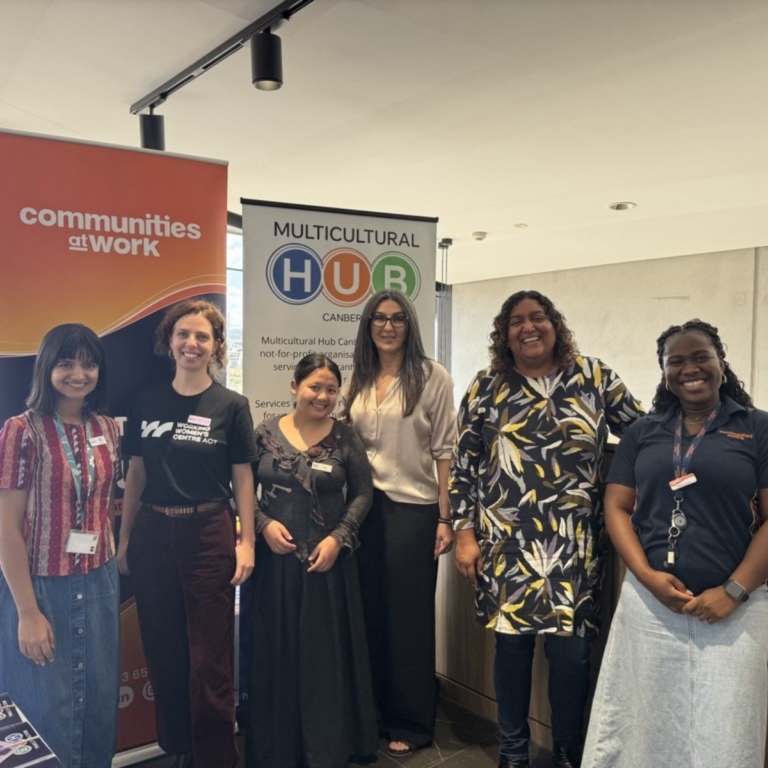
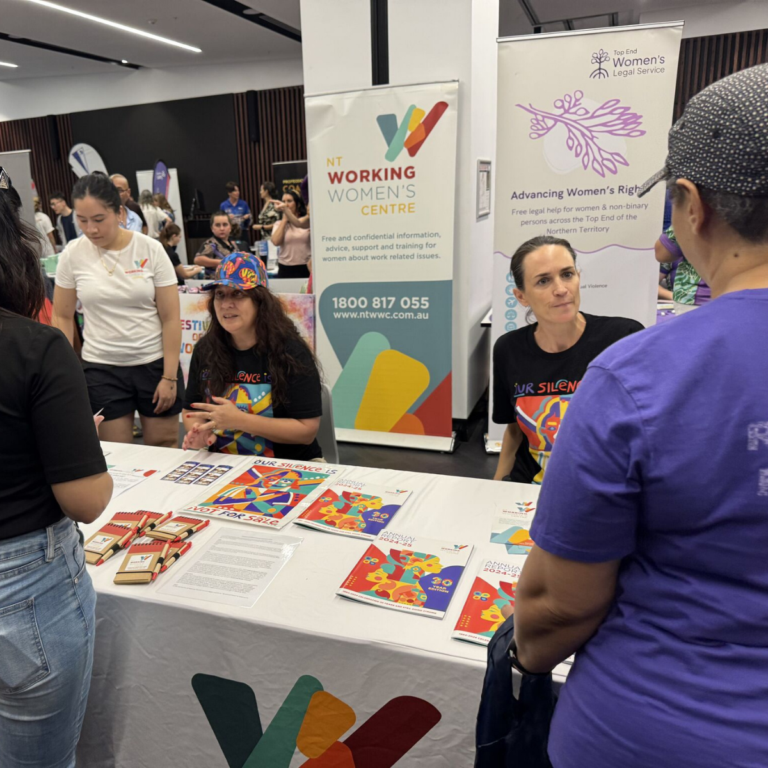
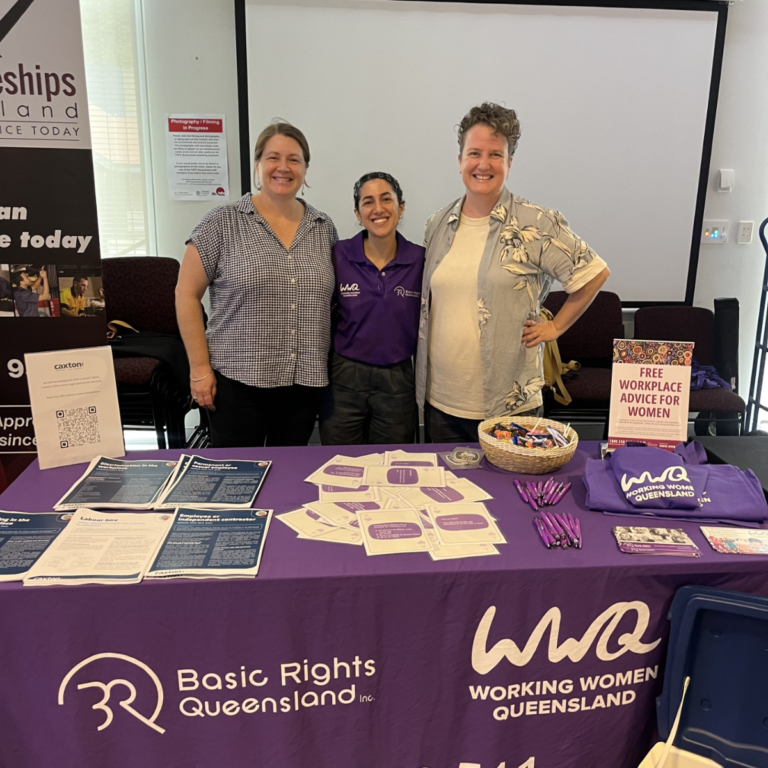
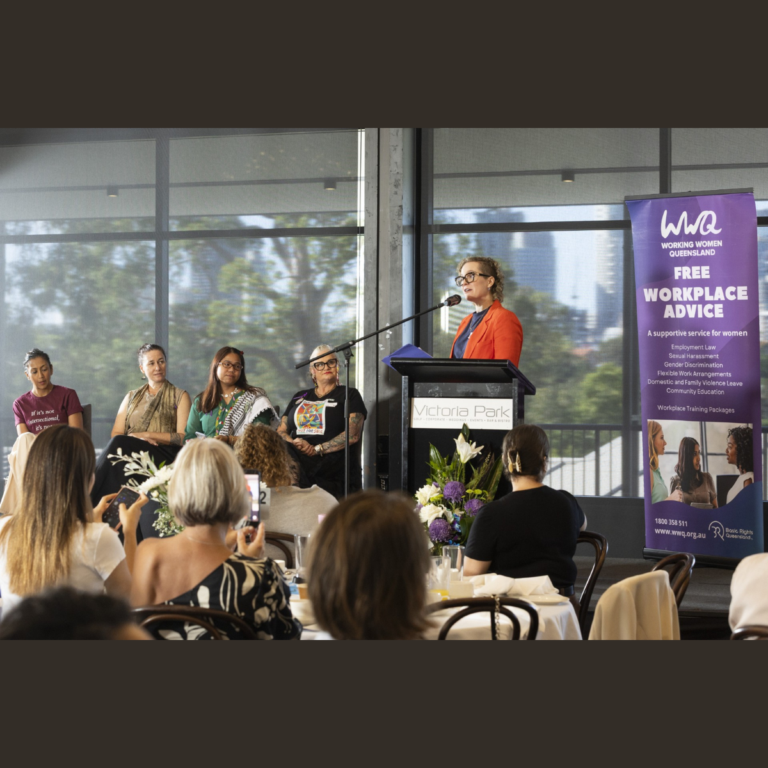
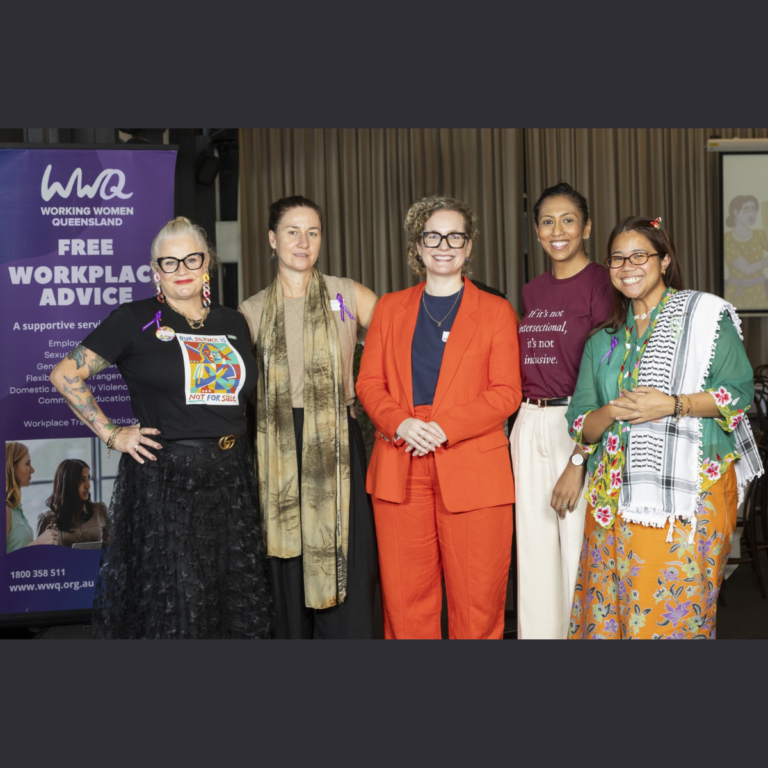
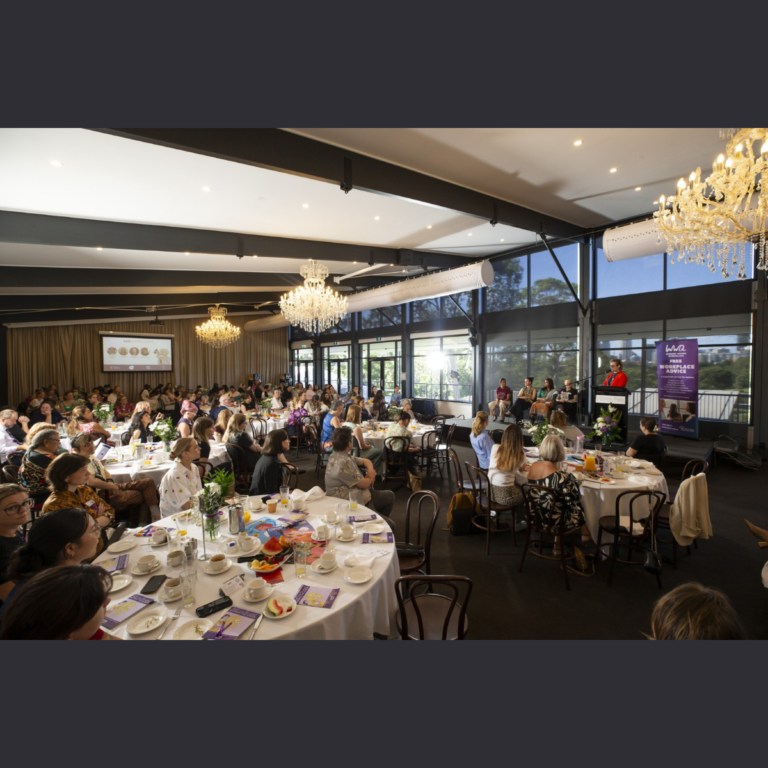
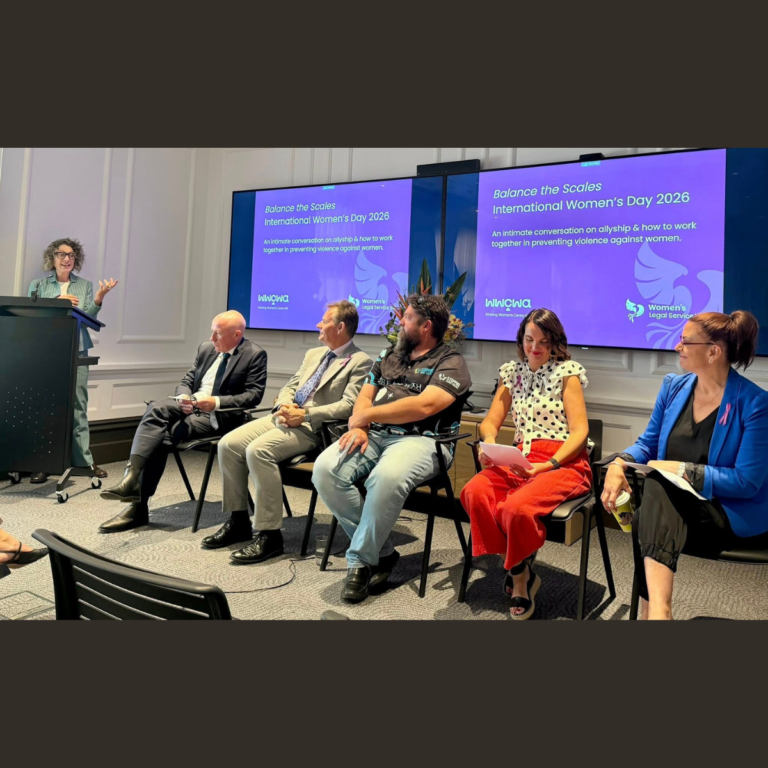
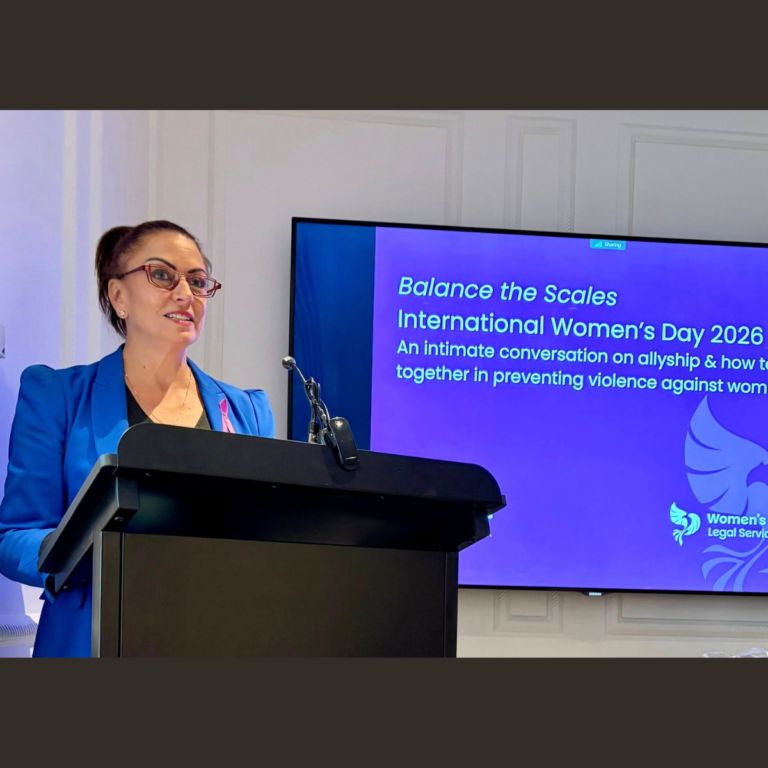
Across Australia, the Working Women’s Centre Network works with communities through events, outreach, and advocacy to promote safer and fairer workplaces.
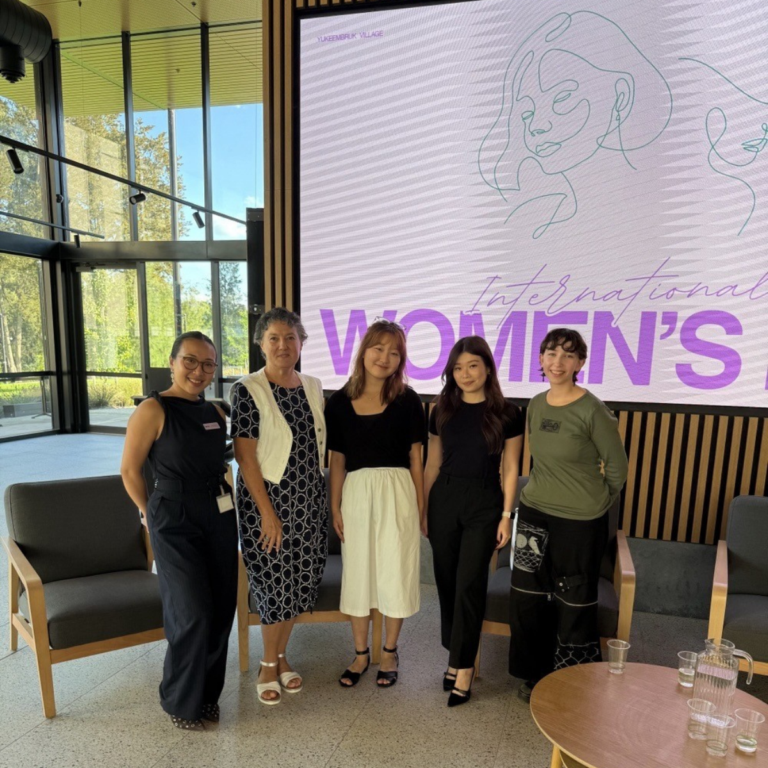
We marked International Women’s Day with a range of activities, events, and community conversations—and this work continues beyond the day itself.
From panel discussions and forums to legal rights outreach and community events, our Centres connected with different groups to raise awareness, support workers, and create change.
A key national focus is our campaign Our Silence Is Not for Sale, calling for an end to the misuse of NDAs in workplace sexual harassment matters.
Thank you to our partners, supporters, and everyone involved in this work.
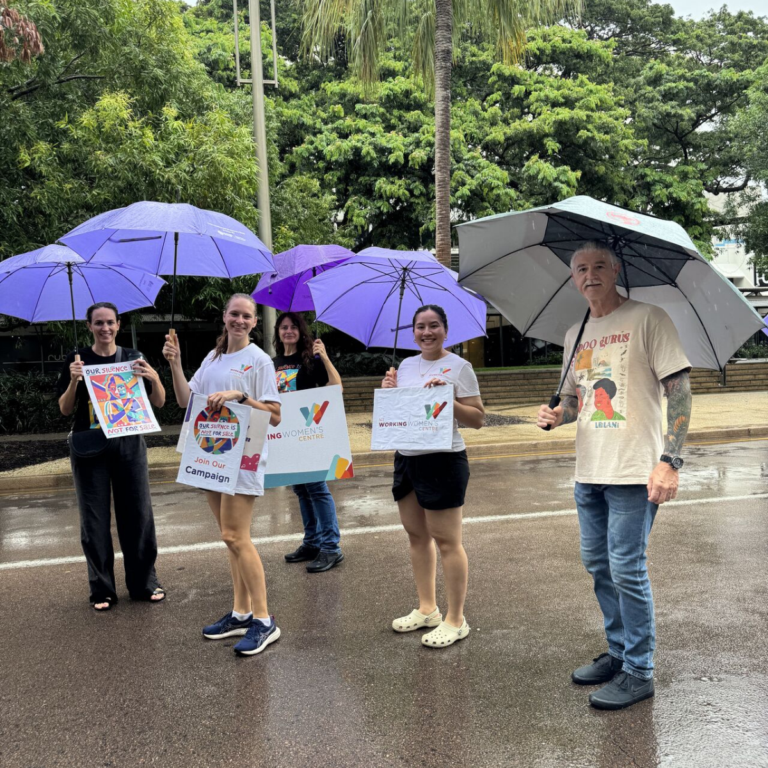
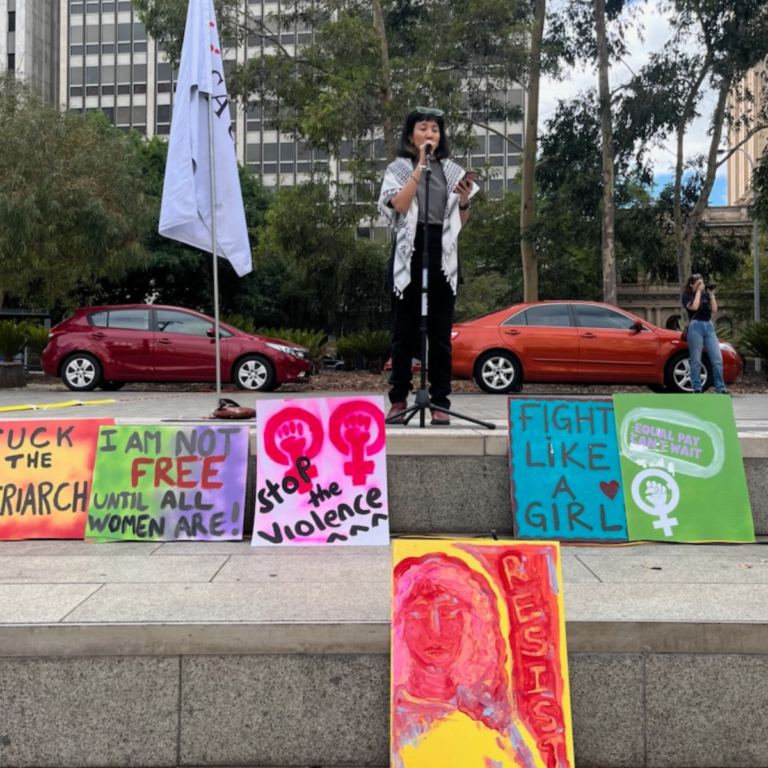
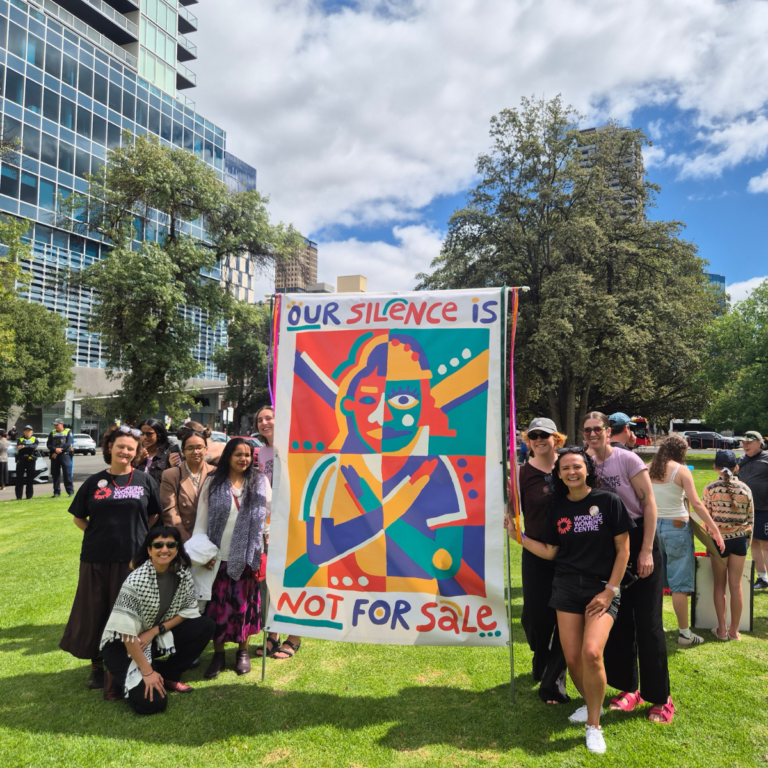
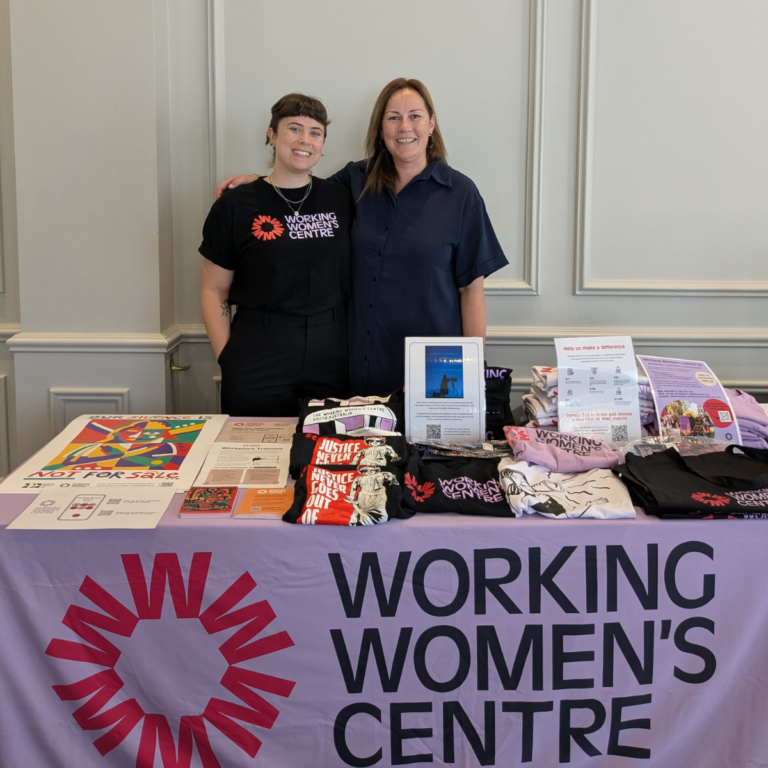
At the International Women’s Day rally in Tarntanya (Adelaide) this weekend, Aira Firdaus, Advocacy and Policy Officer at Working Women’s Centre Australia, spoke about the urgent need to end workplace sexual harassment and the misuse of non-disclosure agreements (NDAs).
In her speech, Aira highlights the reality many workers still face today: unsafe workplaces, the silencing of survivors, and systems that allow harassment and discrimination to continue. She also speaks about the growing movement to end the misuse of NDAs — a key focus of the Working Women’s Centre national campaign Our Silence Is Not For Sale.
Real change is only possible when workers speak out, stand together, and demand accountability.
Watch the video to hear Aira’s speech and learn why ending the misuse of NDAs is critical to creating safer workplaces for everyone.
Learn more about the Our Silence Is Not For Sale campaign.