
The Working Women’s Centre Network invites you to join us for the Small Steps | Safe Workplaces Conference 2025, taking place from 19 to 21 November in Nipaluna (Hobart). This three-day national gathering brings together people working to prevent and respond to workplace sexual harassment.
Whether you work in the legal sector, community services, HR, leadership, government, unions — or you are simply committed to building safer workplaces — you are welcome in this conversation.
Across the conference, members of our network will be contributing to discussions including:
• I’m Speaking! Breaking the Silencing Effect of NDAs and Defamation
with Abbey Kendall (WWC Australia) and Emily Gray (WWC NSW)
• Re-imagining the Intake Process: More Than Just a Gateway to Legal Advice with Eloise Dalton, Anna Gilet & Alice Wallace (WWC QLD)
• Panel: Working with Lived Expertise — Models for the Future
with Aira Firdaus (WWC Australia) and sector partners
• Panel: Access to Justice for Marginalised Communities — Practical Calls to Action with Georgina Cahill (WWC WA) and experts
• Panel: Challenges of the Workplace Justice Visa Pilot
with Sharmilla Bargon (WWC NSW), Eloise Dalton (WWC QLD) and sector partners
• Panel: Integrated Practice — Navigating the Challenges for Best Service Delivery with Anna Gilet (WWC QLD), Jeanelle Tan & Georgina Cahill (WWC WA) and service delivery experts
And more — view the full program below.
📅 19–21 November 2025
📍 School of Law, University of Tasmania, Nipaluna (Hobart)
🎟 Tickets: https://lnkd.in/gvhBjKBi
We would love to see you there!
Happy first anniversary to the Western Australian WWC!
In just one year, the team has supported women and gender-diverse workers through free and confidential legal advice, empowering people to understand their rights and pursue justice in the workplace.
This anniversary also marks the strong collaboration between Women’s Legal Service WA and Circle Green Community Legal, who together have built a vital service for workers across the state.
The celebration event was attended by Members of Parliament, Abbey Kendall, CEO of Working Women’s Centre Australia, Helen Creed, a Life Member of both United Workers Union and Unions WA and WWCA Board Subcommittee Member, along with stakeholders and friends of the Working Women’s Centre — including The Hon. Simone McGurk MLA, Minister for Industrial Relations and for Women.
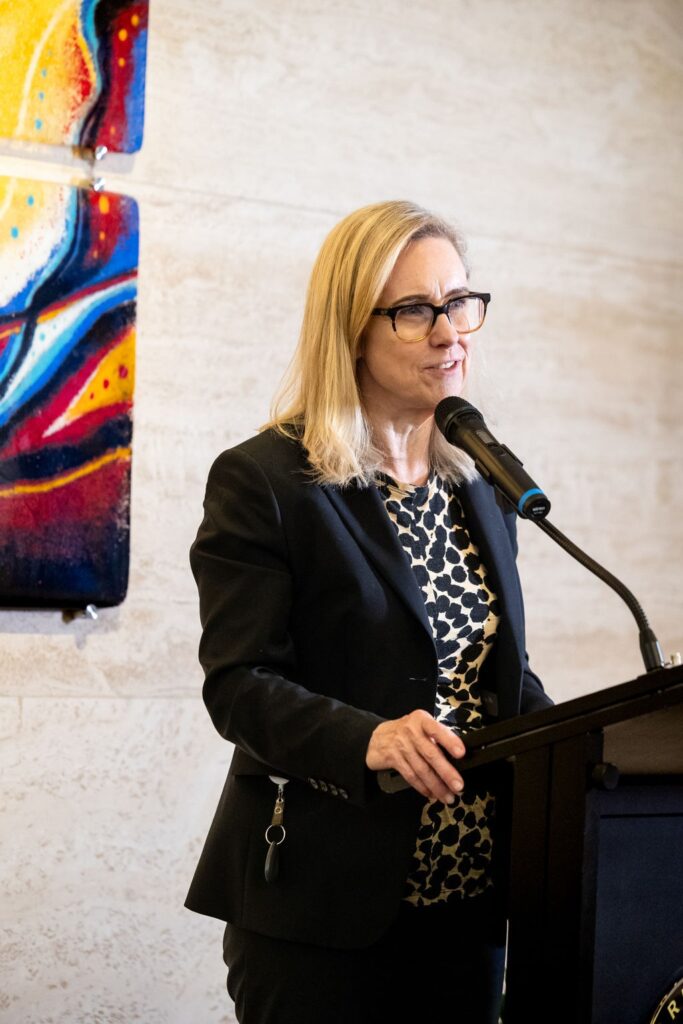
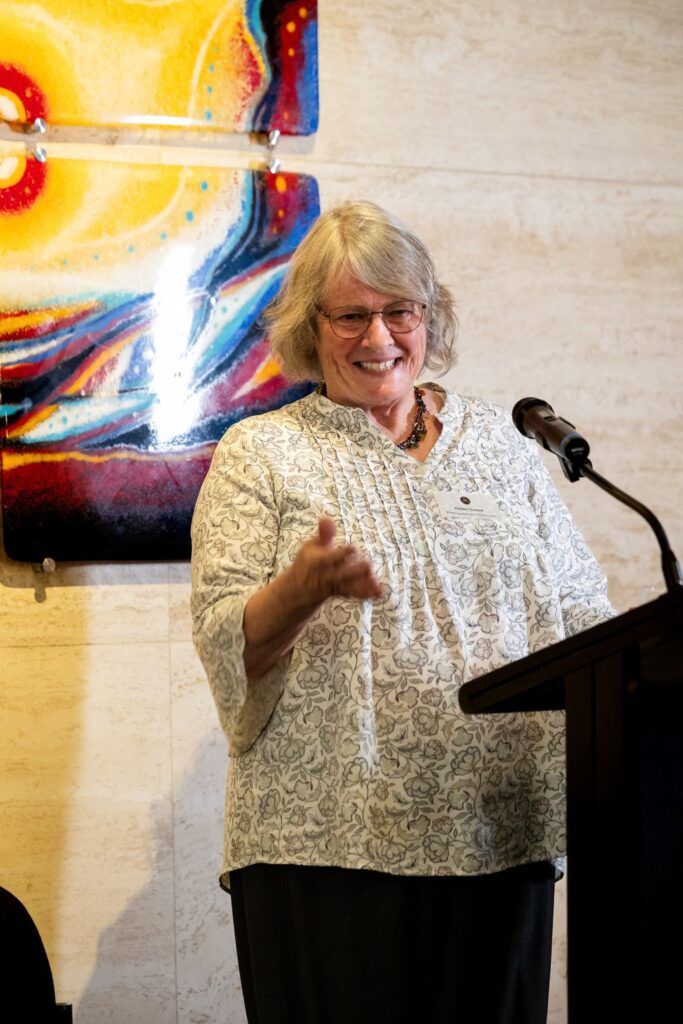
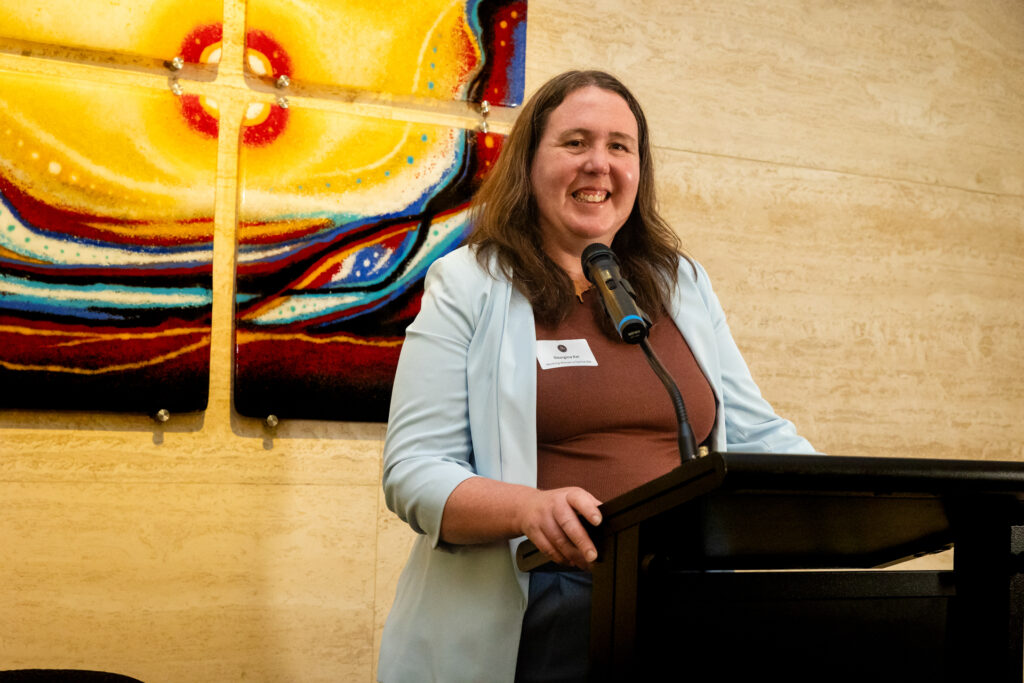
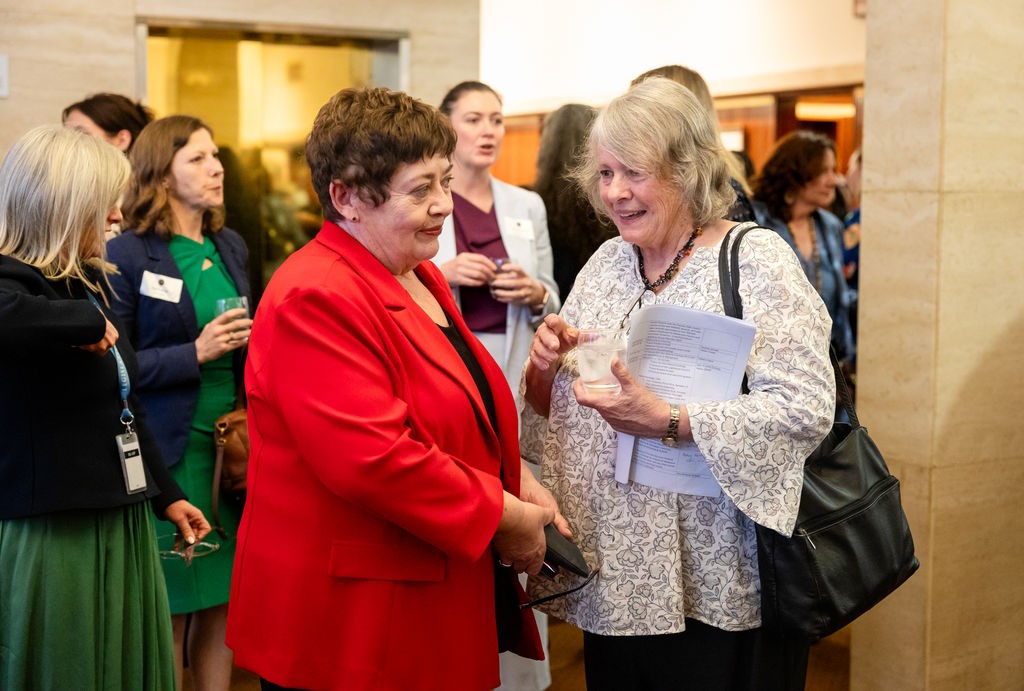
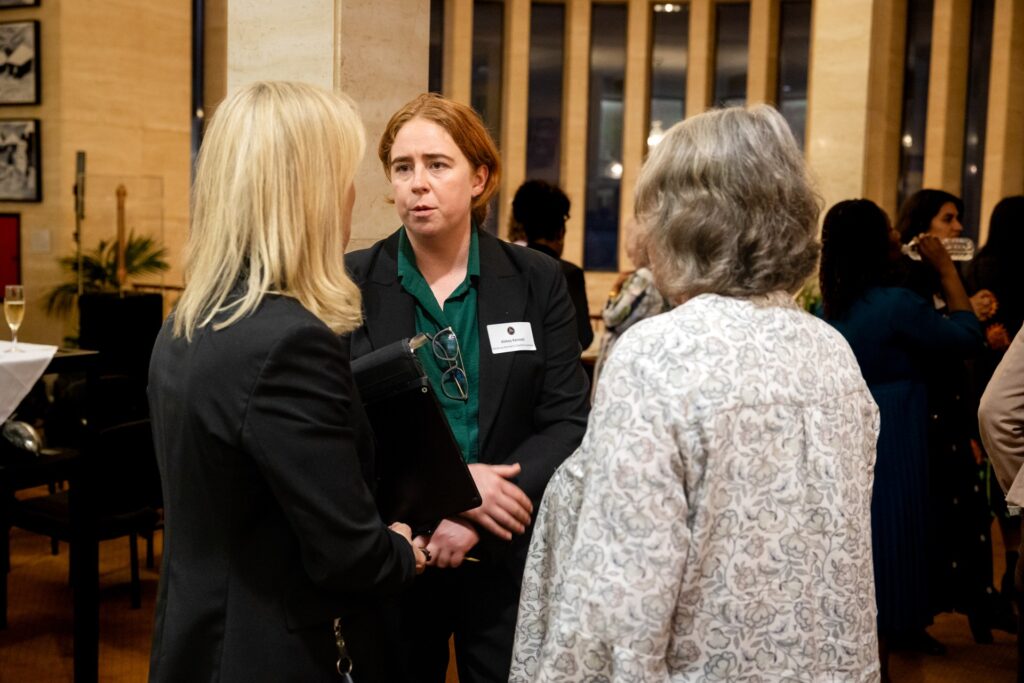
The guest speaker, Biplavi Jarga Magar, gave a moving speech about her experiences of sexual harassment that ultimately led to her being awarded $305,000 in compensation by the Federal Court of Australia. Biplavi spoke carefully and without hesitation, untangling the exploitation she experienced from her experience of standing up for herself. She spoke of the unwavering support and expertise of her lawyer Seri Feldman Gubbay, and ultimately the confidence and strength she has nurtured in herself. Thanks to Bilplavii for sharing with us.
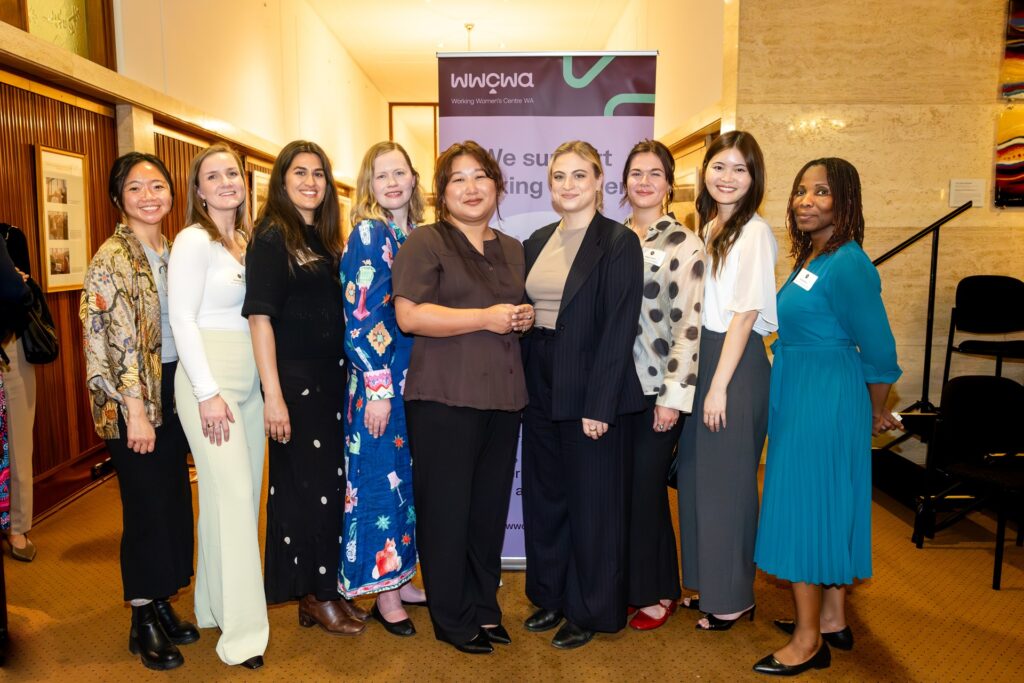
To learn more about the work of WWC WA and how they are creating lasting change for workers in Western Australia, visit: wwcwa.org.au
If you’re in Adelaide, come along and hear from our Advocacy Officer, Aira Firdaus, who will be one of the amazing speakers at this year’s Reclaim the Night on 31 October.
Reclaim the Night is a global activist march that calls for the elimination of gendered violence, an end to victim-blaming, and for actions to build safe and just communities.
This year, Reclaim the Night calls for:
• Justice for First Nations women and communities
• An end to violence on our streets, in our homes, and in our workplaces
• Safety, autonomy, and healthcare for all
• Funding for specialist services and education
• Human rights, solidarity, and equality for all
• The voices of victim-survivors — and an end to systems of silence
Friday 31 October | 5:30 PM
📍 Gather at the top of Rymill Park (corner of Rundle St & East Tce) | Kaurna Yarta (Adelaide)
➡️ March to Parliament House via Rundle Street and Rundle Mall
Everyone is welcome — women and gender-diverse people to the front!
👉 Learn more and connect with the event here: https://wwcsa.org.au/campaigns/reclaim-the-night/
Australia’s construction sector continues to face challenges in attracting and retaining women workers. A crucial area of focus is how women are supported in the workplace before, during, and after parental leave. Research has shown that these periods are pivotal in a woman’s decision to stay in or return to work. However, there has been limited research into the experiences of women in construction during these transitions, or how to support employers and workers through this critical time.
The research, run out of the University of Sydney’s Australian Centre for Gender Equality and Inclusion @ Work, was conducted in three parts:
In the Media Advocacy Program, one of our lived experience advocates, Siobhan Fitzpatrick, reflects on what it meant to connect with others, feel validated, and gain the confidence to keep fighting for change.
Siobhan’s story is powerful and inspiring — watch the video to hear her reflection on the Media Advocacy Program.
Please take some time to explore the folder and familiarise yourself with the materials. These resources are for the network’s use in advocacy, communications, and campaign activities.
📁 What’s inside the folder:
Let’s Talk About Confidentiality Model Clauses
Campaign Assets
Campaign Strategy
Campaign Toolkit
Access the NDA Campaign Folder here
A campaign to end the misuse of non-disclosure agreements (NDAs) and other unjust tools and laws that silence women across Australia
A non-disclosure agreement (NDA) is a legal obligation that requires confidentiality.
These agreements are widely used in sexual harassment and discrimination disputes. They require women who suffered harassment to keep their experience completely confidential or partly confidential – that is, they are not allowed to talk about what happened to them.
In circumstances where a woman does not want to stay silent, the insistence of confidentiality is a complete misuse of NDAs by employers or parties in positions of power.
Although NDAs mostly require all parties (employer, woman with experience of harassment, and the perpetrator) to maintain confidentiality, the agreement is almost always requested by the employer and perpetrator, not the employee.
Often the NDA serves the employer and perpetrator’s interests, and not the woman with experience of harassment.
NDAs are too often used as a bargaining tool that forces women with experience of harassment to feel they must choose between achieving compensation for the harms they have suffered and speaking out to create broader awareness or change.
This coercive dynamic can leave women with experience of harassment feeling silenced, isolated, and fearful of the potential ramifications of even accidental disclosure to friends or family. While some women may wish to seek confidentiality (e.g. to protect their privacy, cultural context, or future employment prospects), many do not want an NDA at all.
We need to shift the balance of power back to women by reducing the coercive use of NDAs, ensuring women with experience of harassment retain greater control and autonomy over their story and the terms of resolution. This will promote safety and wellbeing by allowing disclosure where necessary (e.g. to seek support or warn others) and ensure monetary settlements focus on substantive remedies such as compensation, workplace change, or apologies – rather than silence.
Importantly, health risks of keeping secrets are well documented and can lead to post traumatic stress disorders, among other illnesses. The ability to speak and putting experiences into words will assist survivors in the healing process.
We want laws to ensure NDAs can only be used if the woman wants one. When a woman wants an NDA, the terms of those NDAs must be fair, reasonable and not used to cover up unsafe work practices and gendered violence.
Our campaign focuses on three key areas of work:
Join us to build a movement in solidarity with women with experience of workplace harassment and discrimination and to push for strong laws in Australia that will end the silencing of women.
If you are considering signing an NDA and have not had legal advice, please get in touch with your local Working Women’s Centre.
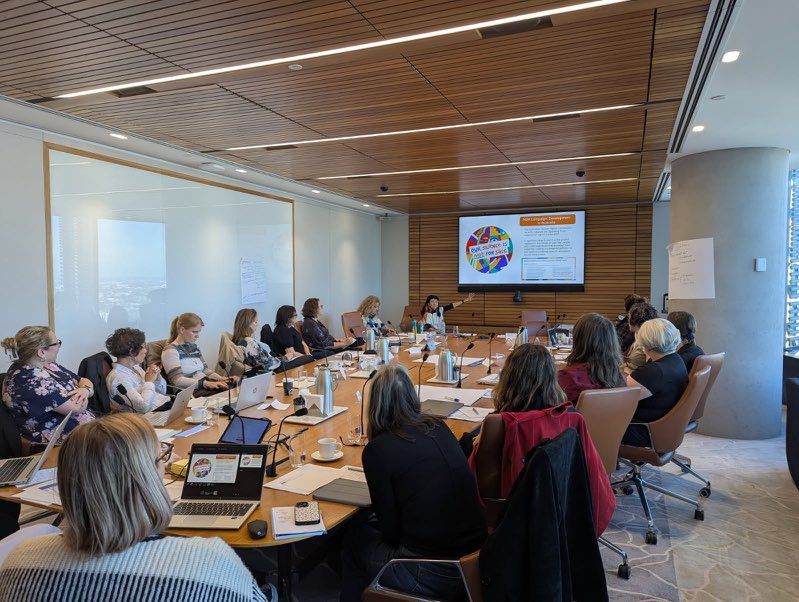
Last week, our national team met in Sydney with the Working Women’s Centre network to discuss our joint advocacy goals and strengthen collaboration.
Across the day, we tackled big conversations about:
– The legal profession’s conduct obligations and the use of NDAs in cases of workplace sexual harassment and gendered violence.
– Updates on our Activist Training and national campaign strategy, challenging the silencing of women in workplaces.
– Using WHS frameworks to prevent gendered violence and strengthen employer responsibilities.
These discussions are a vital part of our ongoing national effort to make workplaces safer for all women. While we meet regularly online, it was especially valuable to bring the network together face to face.
A huge thank you to Gilbert + Tobin for providing the space, catering, and facilities that made this gathering possible.
WWCA ran its first Media Advocacy Program from 15 to 17 August 2025 in Adelaide, which laid the foundation of building the first cohort of the WWC Activist Network. The Program was themed around the ‘Our Silence Is Not for Sale’ Campaign.
To recap, the Program was a:
The participants of the Program comprised of five (5) lived experience activists – two (2) from WWC QLD, two (2) from WWC ACT and one (1) from WWC SA. The Program was a success, and we achieved our objectives. We received positive feedback from the participants informally and formally (via our training evaluation forms) and took on some learnings as a team on how we can make the next Program an even better experience for our activists.
As per the evaluation forms, examples of what the participants took away from the Program were:
WWCA is grateful for all the support from the Network that made this Program possible. We acknowledge and recognise that not all Centres were able to recruit and send activists to Adelaide this time around, but we are equally grateful to Centres that have contributed to cover the costs for activists from other Centres to be part of the Program. We also would like to personally thank Anne Purdy, Deputy Director from WWC SA who co-facilitated the training with WWCA, and Devina Saberi, Community Engagement and Training Officer from WWC QLD who contributed her skills, passion and expertise in filming and photography during the Program.
The video and audio content from the Program is currently in post-production stage, and it will take a few months for the final product to be finalised. We will keep the Network updated on the progress of this work.
In terms of next steps for the WWC Activist Network, our five activists have been giving us valuable insights and ideas on the national campaign during and after the Program, and WWCA is currently working on designing more advocacy opportunities for them to be involved in. With support of their local WWC, we will let them know if any of the following campaign opportunities come up such as:
If you have any upcoming campaign events or activities that you would like the activists to know about, please let Aira know.
Now available to watch: The online launch of the Speaking From Experience report by the Australian Human Rights Commission.
The panel explores the report’s key findings and recommendations to better prevent and respond to workplace sexual harassment — informed by the voices of people with lived experience.
After hearing from survivors about what needs to change, the AHRC is calling for national legislative change to stop the misuse of Non-Disclosure Agreements in sexual harassment and discrimination matters.
Commissioner Anna Cody hosted a panel discussion with:
📖 Read the full report: Speaking from Experience Report – What needs to change to address workplace sexual harassment